I am sure you’re not the only person who has wondered whether it’s possible to lighten intimate skin safely at home. If you’ve been searching for honest answers instead of confusing myths, you’re in the right place. I created this guide to help you understand what DIY intimate bleaching really involves, which methods are considered safer, and what mistakes you should avoid.
I also explain what results you can realistically expect, how to protect your sensitive skin, and when it’s better to skip DIY treatments altogether. By the end, you’ll have the information you need to make a well-informed decision with confidence.
What Is DIY Intimate Bleaching?
DIY intimate bleaching generally refers to attempts to lighten the appearance of darker skin around the genital or bikini area using products or homemade mixtures at home.
The term can be confusing because people may use it to describe several different areas, including:
- The bikini line
- The pubic area
- The groin
- The inner thighs
- External vulval skin
- Skin around the anus
- Other external genital skin
These areas are not identical, and the skin may react differently to products.
The word “bleaching” also creates the impression that stronger chemicals will automatically produce better results. That is not how sensitive skin works. Increasing the strength of a product can increase irritation without producing a better cosmetic outcome.
Intimate Bleaching Is Not the Same as Vaginal Hygiene
The vulva refers to the external genital area, while the vagina is an internal canal.
Cosmetic lightening should never be interpreted as a reason to put whitening products, bleach, acids, scrubs, or other chemicals inside the vagina. The vagina is self-cleaning, and inserting unnecessary cleansing or cosmetic products can disturb the area and cause irritation. NHS guidance specifically advises against inserting cleaning materials into the vaginal canal.
If someone uses the phrase “vaginal bleaching,” they are often referring to cosmetic treatment of external skin rather than literally bleaching the vagina.
Is DIY Intimate Bleaching Safe?
In general, DIY chemical bleaching of intimate skin is not a safe approach.
The skin around the genitals is sensitive and can be more easily irritated than skin on areas such as the arms or legs. Everyday products such as soap, fragrance, wipes, deodorants, and harsh cleansers can cause irritation in some people.
Using a homemade bleaching mixture adds another layer of uncertainty because you may not know:
- The actual concentration of an ingredient
- How the ingredients interact
- Whether the mixture has an appropriate pH
- How long it should remain on the skin
- Whether the skin barrier is already irritated
- Whether the product is appropriate for external genital skin
- How your individual skin will react
Why Stronger Does Not Mean Better
With pigmentation concerns, it can be tempting to believe that a stronger product will work faster.
But irritating the skin can create a cycle that works against your goal.
Harsh treatment → irritation → inflammation → skin damage → possible post-inflammatory darkening → more attempts at bleaching
The American Academy of Dermatology notes that irritating skincare products can make dark spots darker. This principle is particularly important when someone is already prone to pigmentation after irritation.
For sensitive intimate skin, preventing irritation is therefore an important part of protecting its appearance.
Why Is Intimate Skin Often Darker?
There is no single reason why intimate skin may appear darker.
In many people, some degree of darker pigmentation is simply part of their natural skin color.
Natural Pigmentation
Skin throughout the body does not have to be one uniform shade.
The vulva can naturally be darker than nearby skin, and the inner labia may differ in color from the outer labia. Vulvas naturally vary in shape, size, and color.
A difference in color by itself does not mean the skin is dirty, unhealthy, or poorly cared for.
Hormonal Changes
Hormonal changes can affect pigmentation in different areas of the body.
Changes associated with puberty, pregnancy, menstrual and reproductive hormones, and aging may influence how pigmentation appears.
This means that trying to force intimate skin to match the color it had years earlier may not always be realistic.
Friction
Repeated rubbing can contribute to irritation and changes in how skin looks.
Possible sources include:
- Tight underwear
- Tight leggings or jeans
- Exercise
- Skin-to-skin rubbing
- Sweating
- Repeated shaving
- Rough fabrics
Medical guidance for vulval skin care commonly recommends reducing friction and choosing loose-fitting clothing when irritation is an issue.
Shaving and Hair Removal
Hair removal can also irritate the skin.
Repeated shaving may cause:
- Razor burn
- Tiny cuts
- Ingrown hairs
- Redness
- Itching
- Inflammation
If the skin repeatedly becomes irritated after hair removal, attempting to bleach the resulting pigmentation may make the cycle worse.
For some people, trimming rather than close shaving may be a gentler option. NHS vulval-care guidance also recommends avoiding hair-removal practices that irritate sensitive vulval skin.
Previous Irritation or Inflammation
Pigmentation can sometimes remain after the original irritation has disappeared.
For example, someone may experience irritation from shaving, friction, a fragranced product, a rash, or another skin problem. Once the skin heals, the area may not immediately return to its previous appearance.
This is one reason patience matters.
Adding another irritating product while the skin is recovering may prolong the problem.
Why You Should Never Use Household Bleach on Intimate Skin
Household bleach is a cleaning chemical, not a cosmetic skin-lightening treatment.
It should not be applied to the vulva, penis, scrotum, anus, bikini area, or other sensitive genital skin.
Medical vulval-care guidance specifically lists bleach-containing products among substances to avoid on sensitive vulval skin.
Household bleach can cause chemical irritation and potentially serious skin injury. The fact that it can remove stains from household surfaces does not mean it is appropriate for changing human skin color.
If you accidentally get household bleach on intimate skin, rinse the exposed area thoroughly with plenty of water and seek appropriate medical advice, particularly if there is burning, pain, blistering, swelling, or persistent irritation.
DIY Intimate Bleaching Methods to Avoid
There are many homemade recipes promoted online as “natural intimate whitening.” The fact that a recipe is popular does not establish that it is safe.
Lemon Juice
Lemon juice is often suggested as a natural brightening ingredient because it is acidic.
That does not make it appropriate for intimate skin.
Applying acidic ingredients to sensitive skin can cause irritation, especially if the skin has recently been shaved or already has tiny areas of damage.
The potential irritation is not worth experimenting with simply to change normal pigmentation.
Baking Soda Scrubs
Baking soda is sometimes recommended as an exfoliating or “whitening” ingredient.
Scrubbing sensitive genital skin with a gritty or alkaline substance can damage the skin barrier and increase irritation.
The goal should be to reduce unnecessary friction, not create more of it.
Hydrogen Peroxide
Hydrogen peroxide should not be treated as a DIY genital whitening ingredient.
Using an oxidizing chemical on delicate skin can cause irritation or injury, and there is no good reason to experiment with it simply to change normal pigmentation.
Strong Chemical Peels
Chemical peels are medical or cosmetic procedures that require appropriate product selection, concentration, technique, and patient assessment.
A peel designed for one part of the body should not automatically be assumed to be appropriate for genital skin.
Trying to reproduce professional peeling treatments at home creates unnecessary risk.
Abrasive Scrubs
Sugar, salt, coffee grounds, rough brushes, exfoliating gloves, and similar methods can create friction.
Scrubbing darker skin harder does not necessarily make it lighter. Instead, repeated mechanical irritation can leave sensitive skin sore and may contribute to further discoloration.
Unregulated Whitening Creams
Be especially cautious with products sold as “intimate whitening,” “private part whitening,” or “instant pinkening” when the ingredients, manufacturer, concentration, or directions are unclear.
A product being sold online does not automatically mean it has been properly evaluated for sensitive genital skin.
Avoid products that promise dramatic changes in a few days or encourage you to tolerate burning as evidence that the product is working.
What About Natural Intimate Bleaching?
“Natural” is not the same as “safe.”
Lemon, vinegar, essential oils, baking soda, herbal mixtures, and other household ingredients may sound gentler than chemical products, but sensitive genital skin can still react to them.
A safer approach is to ask:
Does this product have a clear purpose, appropriate ingredients, clear directions, and evidence that it is suitable for the exact skin area where I want to use it?
If the answer is unclear, experimenting with it may not be worthwhile.
Safer At-Home Care for Dark Intimate Skin
If your concern is primarily cosmetic and there are no unusual symptoms, start by improving the skin environment rather than trying to aggressively bleach it.
Keep Cleansing Gentle
The vulval area does not need aggressive scrubbing to become clean.
Avoid repeatedly washing the area with strong soap, fragranced shower gel, deodorizing products, or harsh cleansers.
Several NHS sources recommend gentle cleansing and avoiding common irritants because vulval skin can be easily irritated.
For external care, follow advice from your healthcare professional if you have a diagnosed skin condition.
Avoid Fragranced Products
Products marketed specifically for intimate freshness may contain fragrances or other ingredients that can irritate sensitive skin.
Consider avoiding:
- Perfumed washes
- Feminine deodorants
- Scented wipes
- Bubble baths
- Strong shower gels
- Fragranced powders
- Irritating antiseptics
NHS guidance consistently emphasizes reducing these potential irritants.
Reduce Friction
If the bikini or groin area becomes irritated from rubbing, address the friction before considering pigmentation treatments.
You can consider:
- Looser clothing
- Comfortable underwear
- Breathable fabrics
- Reducing prolonged rubbing
- Changing out of sweaty clothing
- Avoiding repeated scratching
Reducing irritation can help create better conditions for the skin to recover.
Be Careful With Hair Removal
If close shaving repeatedly causes irritation, consider whether you actually need to remove every hair.
Trimming can be an alternative for some people.
If you shave, use a clean razor and avoid repeatedly going over the same area. If a particular method consistently causes bumps, burning, or itching, switching methods may be more helpful than trying to bleach the resulting marks.
Moisturize Irritated External Skin Carefully
If the external skin is dry or irritated, an appropriate fragrance-free emollient may help support comfort and the skin barrier.
However, do not assume that every moisturizer is suitable for every genital area.
If you have persistent symptoms, ask a healthcare professional or pharmacist about an appropriate product.
Give the Skin Time
One of the most overlooked parts of pigmentation care is patience.
If darkening develops after irritation, the skin may need time to settle.
Constantly switching between bleaching creams, scrubs, acids, and home remedies makes it difficult for the skin to recover and makes it harder to identify what is causing irritation.
Can You Actually Lighten Intimate Skin Safely?
That depends on why the skin is darker and exactly which skin is being treated.
If the pigmentation is completely normal, there may be no medical reason to remove it.
If the darkening developed because of irritation or another skin problem, treating the underlying cause may be more useful than trying to bleach the skin.
If persistent pigmentation is causing significant cosmetic concern, a dermatologist can assess the area and determine whether treatment is appropriate.
The important distinction is:
Safe skin care aims to protect healthy skin and address an identifiable problem. DIY bleaching aims to force a color change without necessarily addressing the reason for the pigmentation.
Those are not the same thing.
Can Whitening Creams Be Used on Intimate Skin?
Do not assume that a cream labeled “whitening,” “brightening,” or “dark spot corrector” is automatically suitable for genital skin.
Products designed for the face, elbows, knees, or other body areas may contain ingredients that are inappropriate for delicate genital skin.
Read the Intended Use
Before applying any cosmetic product, check whether the manufacturer specifically states that it is intended for the external area you want to treat.
Do not use a product internally simply because the packaging uses words such as “intimate” or “feminine.”
Never Ignore Burning or Stinging
Burning is not proof that a whitening product is working.
If a product causes significant burning, stinging, swelling, itching, or worsening redness, stop using it.
Irritation can make pigmentation concerns harder to manage. The AAD recommends choosing gentle, fragrance-free skincare and notes that irritating products can worsen dark spots.
Patch Testing Is Not a Guarantee
Testing a product on a small external area may help identify obvious irritation, but it cannot guarantee that a product is appropriate for genital skin.
If the product is not specifically designed for the intended area, it is better not to experiment.
Professional Options for Persistent Pigmentation
If you have tried gentle skin care and still have a significant concern about pigmentation, a dermatologist can help determine whether treatment makes sense.
The first step should be assessment rather than automatically choosing a procedure.
Dermatology Assessment
A dermatologist may consider:
- Where the pigmentation is located
- Whether it is symmetrical
- Whether it developed recently
- Whether the skin is thickened or textured
- Whether there is itching or inflammation
- Whether hair removal or friction is involved
- Whether another skin condition could be responsible
- Your history of pigmentation after irritation
This matters because treating the wrong problem can make the appearance worse.
Prescription Treatments
Depending on the diagnosis, a dermatologist may sometimes recommend a prescription treatment.
The choice depends on the cause, skin location, sensitivity, medical history, and other factors.
Prescription-strength does not automatically mean better for intimate skin. Some active ingredients can cause irritation and should only be used under appropriate medical guidance.
Professional Procedures
Some dermatology or cosmetic clinics offer procedures intended to improve pigmentation.
However, procedures involving sensitive genital skin should be approached carefully.
Potential complications can include irritation, burns, scarring, uneven pigmentation, or lighter areas that do not match the surrounding skin.
A consultation should come before treatment so that the clinician can determine whether the pigmentation is actually appropriate for cosmetic treatment.
How to Know Whether Darkening Is Normal
A stable color pattern without symptoms is often less concerning than a sudden change accompanied by other symptoms.
Remember that vulvas naturally come in many colors and appearances.
You may be seeing normal pigmentation if:
- The color has been present for a long time
- There is no pain
- There is no persistent itching
- There are no sores
- The texture has not changed
- There is no unexplained bleeding
- The area otherwise feels normal
That does not mean every new color change should be ignored.
When to See a Doctor or Dermatologist
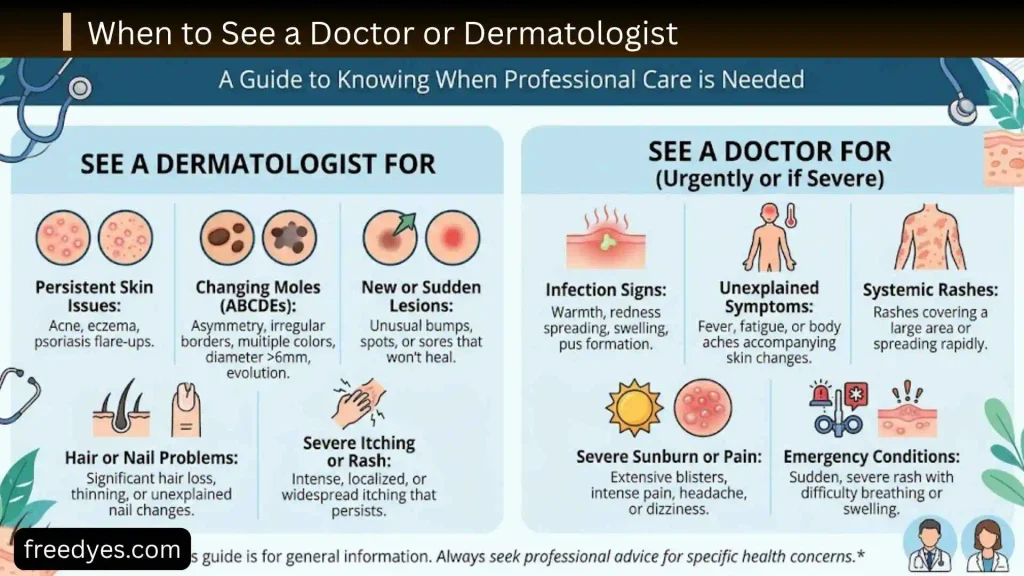
Make an appointment if you notice a new, persistent, or unexplained change in the genital skin, especially if it is accompanied by symptoms.
Seek professional assessment for:
- Sudden or unusual pigmentation changes
- A distinct new dark or white patch
- Persistent itching
- Burning or pain
- Skin thickening
- Cracks or sores
- Ulcers
- Bleeding
- New lumps or growths
- Persistent rash
- Significant swelling
- Changes that keep getting worse
NHS vulval-care guidance recommends paying attention to changes in color, thickening, sores, and persistent itching or soreness.
A change in color does not automatically mean something serious. Many causes are treatable and relatively straightforward. The point is that persistent or unusual changes should be assessed rather than repeatedly covered up with bleaching products.
What If You Already Used a Bleaching Product?
If you have already applied a homemade or cosmetic bleaching product and your skin feels completely normal, avoid applying additional products immediately just to intensify the result.
If you develop:
- Burning
- Significant redness
- Pain
- Swelling
- Blisters
- Peeling
- Severe itching
- Raw or damaged skin
stop using the product and seek medical advice.
If a chemical such as household bleach has contacted sensitive genital skin, rinse thoroughly with plenty of water and seek medical or poison-control advice appropriate to your location, especially if symptoms are significant or persistent.
Do not try to “neutralize” one chemical with another homemade substance.
How Long Does It Take for Intimate Pigmentation to Fade?
There is no reliable universal timeline.
Pigmentation can behave differently depending on its cause.
For example, if irritation or friction is contributing to the appearance, reducing those triggers may be more important than applying a lightening product.
If the pigmentation is a normal part of your natural skin tone, it may not significantly change—and that is not necessarily a problem that needs treatment.
Be skeptical of claims promising a dramatically lighter intimate area in three days, one week, or another fixed period.
Healthy skin does not need to meet an artificial deadline.
How to Prevent Further Darkening
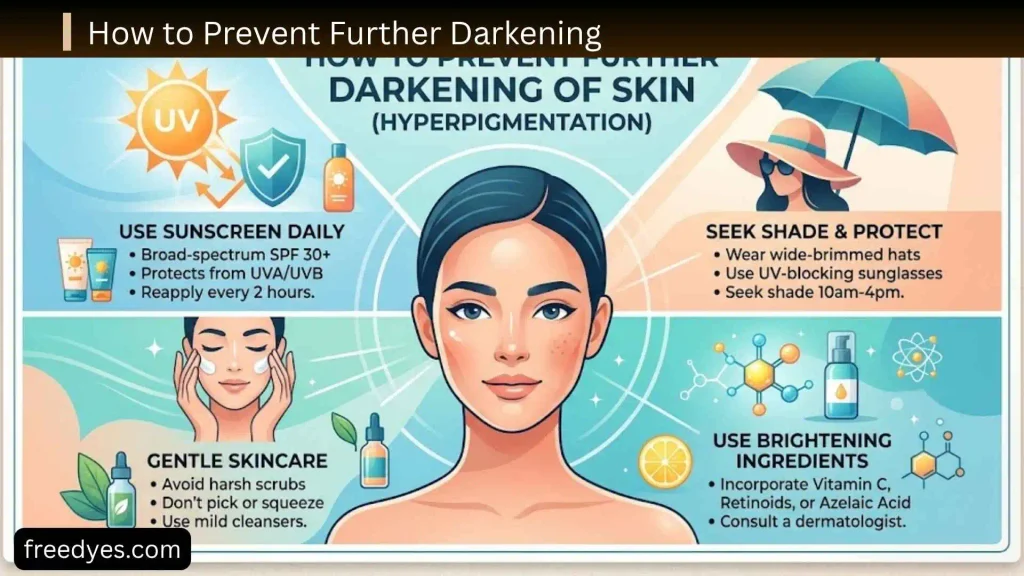
If you want to maintain healthy-looking external intimate skin, prevention is often more useful than aggressive correction.
Limit Unnecessary Irritation
Avoid products that repeatedly make the skin sting, burn, itch, or become red.
Avoid Excessive Washing
Over-cleaning can contribute to dryness and irritation. Several NHS vulval-care resources recommend gentle washing and avoiding excessive cleansing.
Choose Comfortable Clothing
If tight clothing causes rubbing or irritation, looser options may help.
Rethink Frequent Close Shaving
If shaving regularly produces bumps or irritation, consider trimming or another gentler method.
Don’t Scrub Dark Skin
Darker skin does not need to be scrubbed harder.
A gentle approach is generally preferable to repeatedly damaging the skin barrier.
Avoid Douching
Douching is unnecessary for routine vaginal hygiene and can cause irritation.
Common DIY Intimate Bleaching Mistakes
Mistake 1: Assuming Dark Means Dirty
Pigmentation is not a measurement of cleanliness.
Mistake 2: Using Household Bleach
Household cleaning products should never be treated as cosmetic skin-lightening treatments.
Mistake 3: Trusting Every “Natural” Recipe
Natural ingredients can still irritate delicate skin.
Mistake 4: Scrubbing Harder
More friction does not equal more lightning.
Mistake 5: Continuing a Product Because It Burns
Burning is a warning sign, not a guarantee of effectiveness.
Mistake 6: Ignoring the Cause
If friction, shaving, dermatitis, or another skin problem is contributing to pigmentation, repeatedly applying whitening products may not solve the underlying issue.
Mistake 7: Expecting One Skin Color to Be “Normal”
There is considerable natural variation in vulval appearance.
Mistake 8: Treating the Inside of the Vagina
Cosmetic products should never be inserted into the vagina simply to change its color.
DIY Intimate Bleaching FAQ
Can I use household bleach to lighten intimate skin?
No. Household bleach is a cleaning chemical and should not be applied to genital skin. It can cause significant irritation and chemical injury.
Is dark intimate skin normal?
Often, yes. Intimate skin naturally varies in color, and it can be darker than surrounding skin. A stable color without other symptoms is not automatically a sign of poor hygiene or disease.
Can lemon juice lighten the bikini area?
It is not a recommended DIY treatment for intimate skin. Its acidity can irritate sensitive skin, particularly after shaving or when the skin barrier is already compromised.
Can baking soda whiten private parts?
Baking soda is not a safe reason to scrub sensitive genital skin. It can contribute to irritation, and irritation can make pigmentation concerns more difficult to manage.
Can shaving make the bikini area look darker?
Shaving itself does not necessarily cause permanent darkening, but repeated shaving irritation, razor bumps, ingrown hairs, and inflammation can contribute to changes in how the skin looks.
Can I use body whitening cream on intimate skin?
Not automatically. A product designed for another body area may not be appropriate for sensitive genital skin. Check the intended use and seek professional advice if you are unsure.
Is intimate bleaching permanent?
There is no guarantee that cosmetic lightening will be permanent. Pigmentation can be influenced by hormones, friction, inflammation, hair removal, aging, and other factors.
How can I lighten dark intimate skin naturally?
The safest “natural” approach is not a bleaching recipe. Focus on reducing irritation, avoiding harsh chemicals and scrubs, minimizing friction, and caring gently for the external skin.
What if my intimate skin suddenly becomes darker?
A new or unexplained change deserves attention, particularly if it is accompanied by itching, pain, sores, thickening, bleeding, or other changes. A healthcare professional can determine whether further evaluation is needed.
Can I bleach the vagina?
The vagina should not be bleached. Cosmetic lightening, when discussed medically, refers to external skin rather than putting bleaching products inside the vaginal canal.
Should intimate skin be the same color as the rest of my body?
No. Different areas of the body naturally have different pigmentation. There is no medically required shade for healthy vulval or genital skin.
Final Thoughts
Searching for DIY intimate bleaching does not mean you need a stronger bleaching recipe. In many cases, the more useful question is why does this skin look darker, and is there anything that actually needs to be changed?
Natural pigmentation is common, and intimate skin does not need to match the color of your stomach, thighs, or other body areas. If friction, shaving, or irritating products are contributing to the appearance, addressing those triggers may be a much better starting point than applying a harsh lightening mixture.
Most importantly, avoid household bleach, aggressive acids, abrasive scrubs, and unregulated whitening products on sensitive intimate skin. If pigmentation is new, changing, persistent, or accompanied by itching, pain, sores, thickening, bleeding, or other symptoms, get it evaluated instead of repeatedly treating it yourself.
The safest approach to intimate skin care is gentle, informed, and focused on healthy skin rather than achieving an unrealistic color standard.